



Over the last few weeks, conversations across Kenya have increasingly centred on the rising cost of living. From transport fares and fuel prices to food costs and rent, many families are feeling growing pressure on their monthly budgets. As of May 2026, a mix of global energy market volatility and proposed tax measures is reshaping the economic realities facing millions of Kenyans.
While Kenya’s economy continues to grow on paper, many people are finding it harder to keep up with rising costs. The gap between economic growth and everyday experience is becoming more visible, particularly for workers and small businesses already operating within tight financial margins.
The State of the Cost of Living Today
The pressure is especially pronounced because of how Kenya’s labour market is structured. Formal employment accounts for only around 15 percent of the workforce, meaning most Kenyans earn a living in the informal economy, where incomes are often unpredictable and financial protections are limited.
The World Bank projects approximately 41.9 percent of Kenyans will live below the international poverty line of US$3.00 a day in 2026. For many families, even small increases in the cost of essentials can quickly strain already stretched budgets, especially where there is limited access to pensions, savings or medical cover.
The 2026 Economic Survey reinforced this growing disconnect between economic growth and lived experience. Kenya’s GDP has continued to expand, but wages have not kept pace with the rising cost of living, leaving many people financially worse off despite broader economic growth.
Inflation: The Numbers Behind the Pain
Kenya’s annual inflation rate rose to 5.6 percent in April 2026, up sharply from 4.4 percent the previous month and the highest level recorded since March 2024. The Central Bank of Kenya has warned inflation could rise further to 6.2 percent by July 2026, driven largely by higher global oil prices linked to geopolitical tensions in the Middle East.
The increases are being felt most in areas people rely on every day. Food and non-alcoholic beverage prices rose by 8.8 percent year on year by mid-2026, while transport costs increased by 10.0 percent over the same period as fuel prices climbed. Housing, water, electricity, gas, and other fuels also continued to edge upward.
These pressures are not felt equally. Lower-income families spend a larger share of their income on food and transport, making them far more exposed to rising prices in essential categories. For many Kenyans with fixed or irregular incomes, inflation means paying more for the same necessities each month, while their income stretches less.
Fuel: Accelerating the Cost of Living Crisis
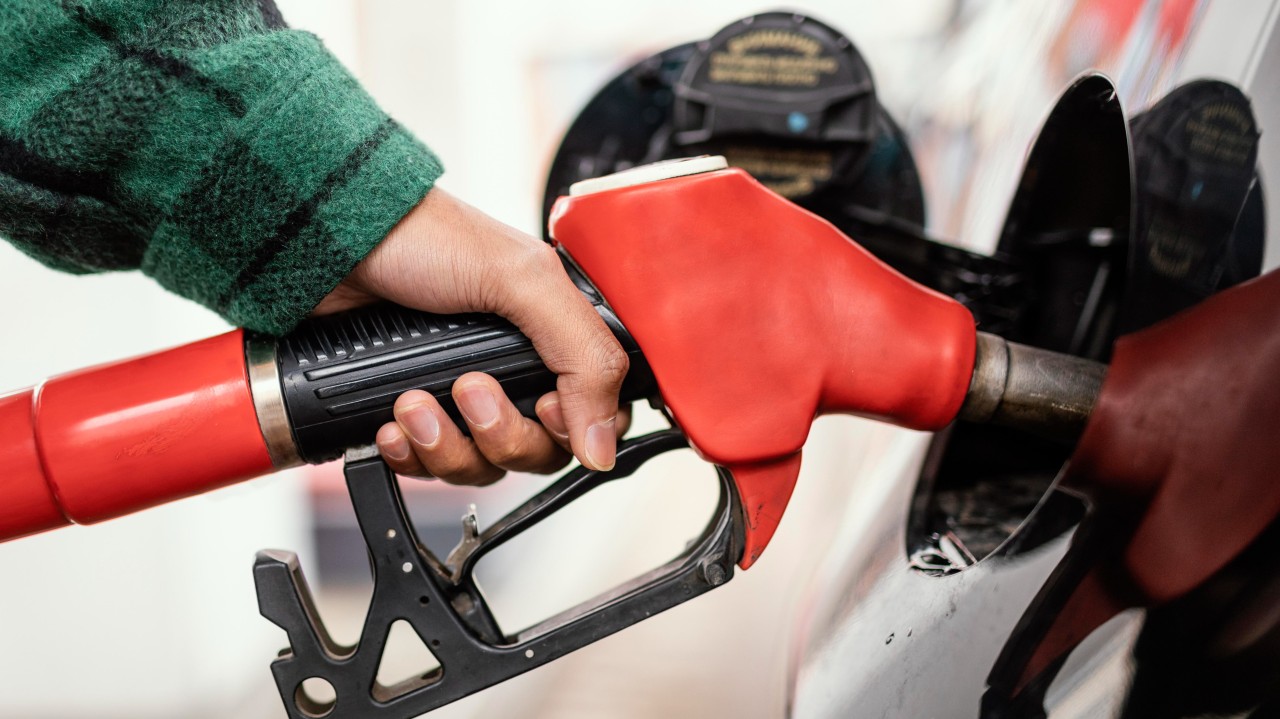
Few costs ripple through the economy as quickly as fuel. Drivers pay more at the pump; boda boda riders and matatu operators face higher operating costs, farmers spend more getting produce to market, and businesses see transport and delivery expenses rise. Those costs rarely stop there. They gradually filter through to the price of food, transport and other everyday essentials.
This was evident this month when diesel prices rose to a record KSh 242.92 per litre. The increase immediately raised concerns across the transport sector and contributed to a matatu operators’ strike that disrupted travel for thousands of commuters. For many Kenyans already facing rising food and living costs, it was another reminder of how closely fuel prices are linked to everyday expenses.
Kenya’s fuel pricing story in 2026 has been marked by a series of policy reversals and emergency interventions. In mid-April, fuel prices rose by more than KSh 40 per litre, fuelling protests and intensifying concerns about the rising cost of living. In response, the government temporarily reduced VAT on petroleum products from 16 percent to 8 percent for 90 days to ease pressure on consumers.
The government’s response echoed a familiar pattern. In 2018, the introduction of a 16 percent VAT on fuel was followed by a partial reversal after widespread public opposition. The temporary VAT reduction announced this year reflects the same challenge: balancing revenue needs against growing pressure on the cost of living.
Even so, the relief proved short-lived. Days after diesel reached a record KSh 242.92 per litre, pressure from transport operators and mounting public concern prompted EPRA to undertake an emergency price review. Diesel prices were subsequently reduced by KSh 10.06 per litre, while kerosene prices increased by KSh 38.60.
These adjustments attracted significant attention, but they did little to change the underlying cost structure of fuel in Kenya. Taxes and statutory levies account for roughly 30 to 40 percent of the pump price paid by consumers. The burden increased further when the Road Maintenance Levy rose from KSh 18 to KSh 25 per litre. Because many of these charges are fixed amounts rather than percentage-based taxes, they remain largely unchanged even when global oil prices fall.
A difficult balancing act. The International Monetary Fund has repeatedly cautioned that temporary tax reductions and fuel stabilisation measures come at a fiscal cost for governments operating within tight budget constraints. At the same time, rising fuel prices quickly translate into higher transport and living costs for consumers. As Kenya grapples with these competing pressures, the debate over fuel prices increasingly reflects a broader question of how to raise revenue without placing additional strain on an already stretched population.
The Finance Bill 2026: How New Taxes Could Be Felt Across the Economy
The debate over fuel prices continues to draw attention to a broader question: how should the government raise revenue without adding further pressure to already stretched budgets? This question is at the centre of discussions around the Finance Bill 2026.
Published on 5 May 2026 and tabled before the National Assembly afterwards, the Bill proposes amendments to six major tax laws, including the Income Tax Act, the VAT Act and the Excise Duty Act. While none of the proposed measures may appear significant in isolation, their combined effect could be felt across many aspects of daily life.
One of the most debated proposals is the introduction of 16 percent VAT on mobile money transactions. Mobile money has become an essential part of everyday commerce in Kenya, allowing millions of people to send money, pay bills and run businesses with ease. Critics argue taxing these transactions risks increasing the cost of financial services for those who rely on them most.
The Bill also proposes a 25 percent excise duty on mobile phones. At a time when access to digital services is increasingly linked to employment opportunities, education, banking and government services, higher device costs could make digital participation less affordable for many Kenyans.
Housing costs may also come under pressure. The proposal to increase the Monthly Rental Income tax from 7.5 percent to 10 percent is aimed at raising additional revenue from landlords. However, there is concern some property owners may respond by passing at least part of the additional cost to tenants through higher rents.
Another proposal attracting attention is a 5 percent tax on imported second-hand clothing. For many families, mitumba markets provide access to affordable clothing, while thousands of traders depend on the sector for their livelihoods. Critics therefore argue higher import costs could affect both consumers and small businesses operating within the trade.
Taken together, these proposals have reinforced concerns about the cumulative impact of taxation at a time when many Kenyans are already facing higher food, transport and living costs. Public participation on the Bill remains open until today, 25 May 2026, after which Parliament will consider the views submitted before determining which proposals become law.
Conclusion
Taken together, rising fuel prices, higher transport costs, food price pressures and proposed tax measures paint a clear picture of the challenges many Kenyans are facing in 2026. While each may appear manageable in isolation, their combined effect is placing increasing pressure on consumer budgets, small businesses and workers whose incomes have not kept pace with the cost of living.
Recent developments have also highlighted a recurring pattern in economic policymaking. Sharp price increases are often followed by temporary relief measures aimed at easing public pressure. While these interventions may provide short-term respite, they do not address the underlying factors driving costs higher, nor do they provide the predictability businesses and consumers need to plan.
A more durable response will require greater focus on the foundations of economic stability. Strengthening food production, improving energy security and pursuing fiscal reforms through a clear and predictable policy framework would help reduce exposure to future shocks while supporting sustainable growth.
For many Kenyans, the question is how long incomes can keep up. Addressing the cost-of-living challenge will require policies that not only support economic growth, but also protect purchasing power and improve living standards. Ultimately, economic progress is most meaningful when it is reflected in the everyday experiences of the people it is intended to serve.
Written by Lewis Nyaga– Associate, Expertise Global