

Regional integration has long been employed globally as a strategy to stimulate economic growth and create common markets where businesses can operate under predictable regulatory frameworks with reduced cross-border uncertainty. In East Africa, this ambition has taken concrete institutional form through the Jumuiya ya Afrika Mashariki (East African Community, EAC), which has made significant progress…

Kenya is at a critical fiscal moment. Debt servicing continues to absorb a significant share of public resources, limiting the government’s ability to sustain essential services. At the same time, concessional financing is tightening and there is limited scope to increase taxes without placing further strain on households and businesses. This reflects a broader constraint,…
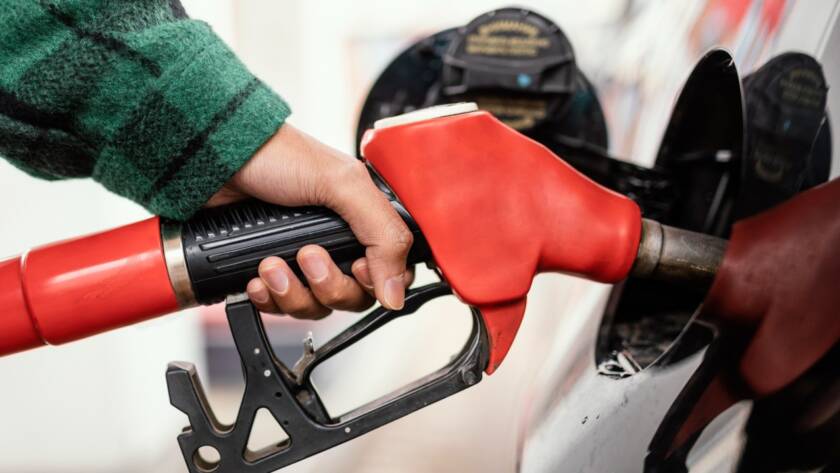
Over the last few weeks, conversations across Kenya have increasingly centred on the rising cost of living. From transport fares and fuel prices to food costs and rent, many families are feeling growing pressure on their monthly budgets. As of May 2026, a mix of global energy market volatility and proposed tax measures is reshaping…
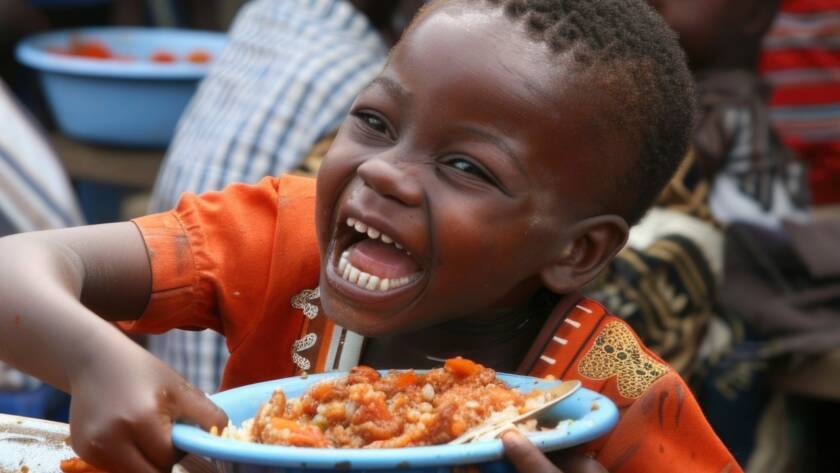
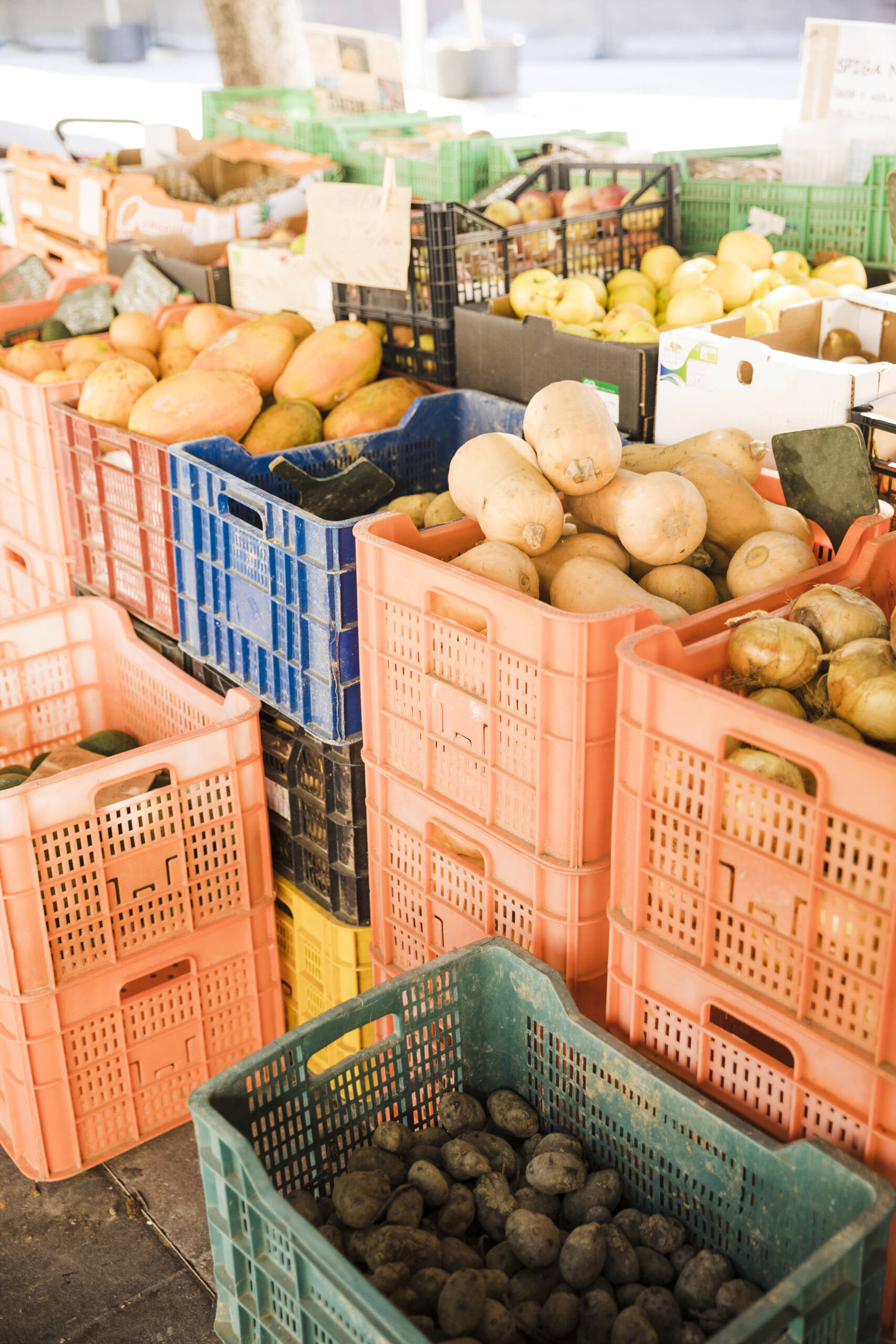
The Food Import Question
Kenya's food import bill has been climbing steadily. Food and beverage imports hit a record Sh81.6 billion in the first quarter of 2026 alone, up 40.9% from the same period the previous year, while rice overtook wheat as the country's costliest cereal import in 2025, at Sh55.11 billion against Sh41.73 billion…
Climate Change Is Closer Than You Think
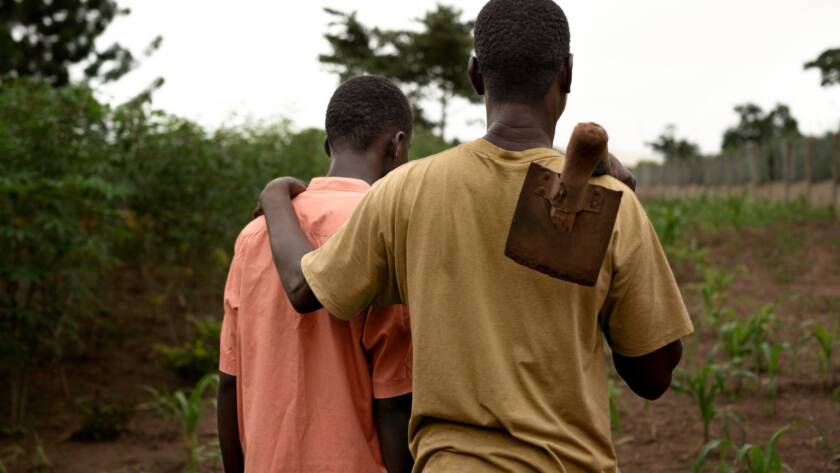
Climate change is often portrayed as a distant threat affecting melting glaciers, remote islands, or communities far away. For millions of farmers across Kenya and Africa, however, it is already shaping everyday decisions about planting, fertiliser, labour, food prices, and survival.
Headlines often focus on dramatic events:…
The Missing Anchor: Strengthening Africa’s Economic Resilience Through Inclusive Leadership
The Current Landscape: Navigating a Polycrisis
Across Africa, from Lagos to Nairobi, businesses are operating in an environment defined by a sharp convergence of pressures. The post-pandemic world has delivered not stability but a “polycrisis”: a complex web of challenges testing the Continent’s economic…
Who Protects the Vulnerable When Debt Crowds Out Development?
Across Africa, social safety nets, the systems protecting vulnerable communities from hunger, illness and extreme hardship, are under severe pressure. Rising debt is shrinking government budgets and forcing cuts to programmes that help families meet basic needs and cope with everyday challenges. According to the…
Critical minerals are quickly becoming one of the defining economic and geopolitical issues of this decade. They are essential to the global shift towards cleaner energy and are used in everything from electric vehicles to battery storage and defence technologies. As demand rises, attention has turned once again to Africa, which holds a significant share…
Historically, Africa has played a limited role in global trade, accounting for just 2.1 per cent in 2022, with intra-African trade at 17.5 per cent in 2020. Fragmented domestic markets, high trade costs and weak industrial bases have constrained economic growth and slowed structural transformation for decades, limiting the continent’s ability to fully benefit from…
In 2005, more than 100 governments and aid organisations signed the Paris Declaration on Aid Effectiveness, committing to channel assistance through national systems rather than build parallel ones. This commitment was reinforced in subsequent high level forums in Accra and Busan.
Two decades later, progress remains limited.
Across health, education and infrastructure programmes in low…
The trillion-shilling question
Every budget season, Kenya turns the Finance Bill into the main battlefield of economic debate and for good reason. New taxes are visible, immediate and politically painful. They show up in payslips, M-Pesa charges, business margins, withholding rules and the daily cost of compliance.
Yet the FY2026/27 budget contains a larger fiscal…
Introduction
For many Kenyan children, the start of Grade 10 is a turning point, marking the beginning of senior secondary school where students specialise, tackle more advanced competencies and lay the foundation for their future careers. This year, however, the progression came with mixed emotions. Many families were forced to confront the harsh reality that…