



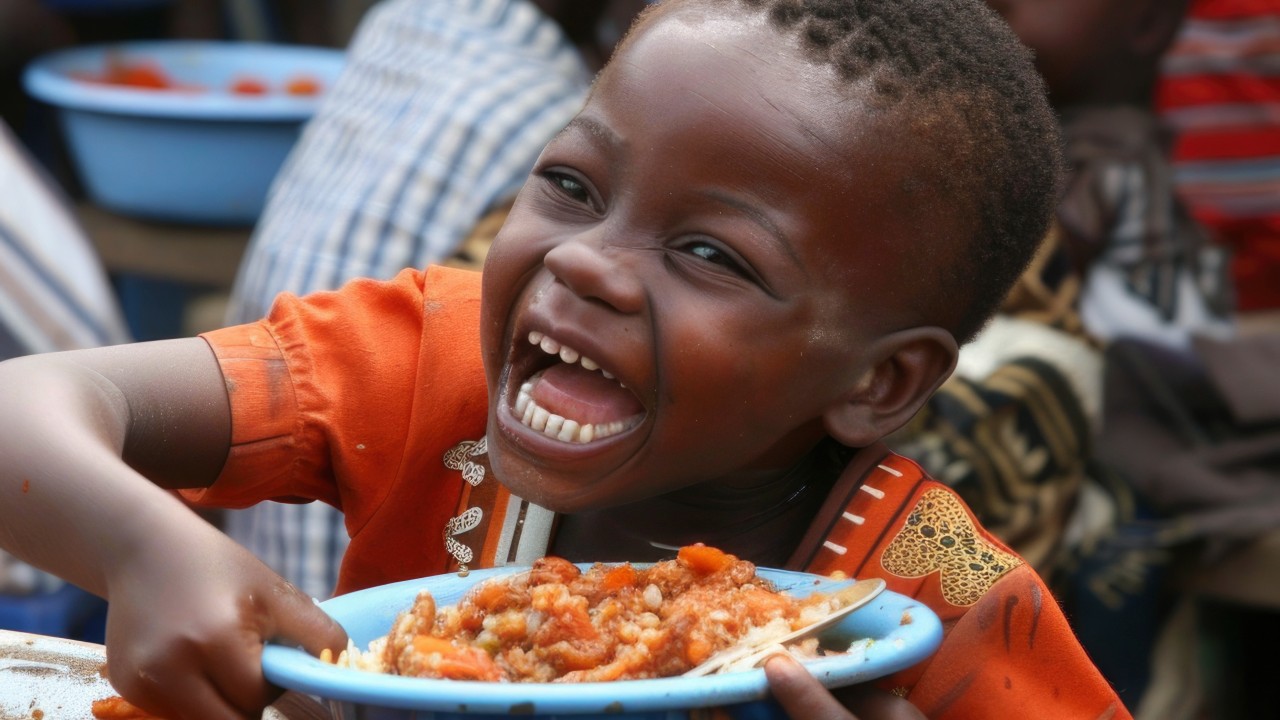
Kenya is at a critical fiscal moment. Debt servicing continues to absorb a significant share of public resources, limiting the government’s ability to sustain essential services. At the same time, concessional financing is tightening and there is limited scope to increase taxes without placing further strain on households and businesses. This reflects a broader constraint, how to do more with limited fiscal space without shifting the burden onto citizens. Protecting and expanding social safety nets, particularly school feeding programmes, sits at the centre of this challenge.
Recent analysis of financing options for Kenya’s school feeding programme identifies debt swaps as a practical and politically viable mechanism which, if structured and scaled well, could strengthen delivery while easing fiscal pressure.
Changing Debt Relief Options and Size: The $1 Billion Debt-for-Food Swap
A debt swap allows a country to restructure or redirect part of its external debt in exchange for agreed domestic investments, often in sectors such as education, health, food systems or climate. Kenya’s experience with such arrangements has historically been limited in scale. Earlier programmes, including the 2007 Kenya-Italy Debt for Development Programme, were modest, reflecting both cautious creditor engagement and limited domestic capacity to structure larger transactions.
In recent years however, the use of debt swaps across Africa and globally has grown in both scale and intent. Countries such as Gabon, Cabo Verde, Egypt, Côte d’Ivoire and Mozambique have used variations of this approach to link debt relief to development priorities, particularly in food security and environmental protection.
The recent $1.07 billion debt swap agreement between the Government of Kenya and the United States International Development Finance Corporation (DFC), a US government agency supporting investment in developing countries, signals a shift in what is possible. By restructuring higher interest commercial debt into longer term, lower cost financing, the arrangement is expected to reduce annual debt servicing pressures and create fiscal space within the budget. Kenya has in recent years spent close to half of its ordinary revenue on debt servicing, so even modest reductions create meaningful room for priority spending.
The critical issue is how this fiscal space is used. In this case, the intention is to channel savings into food security and agricultural resilience, creating a direct pathway to support the school feeding programme.
Debt swaps are complex to implement. They involve multiple parties, require careful legal structuring and often take one to two years to negotiate. They also demand clear governance arrangements to avoid disputes or delays. Without transparency on how savings are realised and spent, confidence in these instruments can quickly weaken. Ring-fencing of funds and consistent public reporting are therefore essential if these arrangements are to deliver credible and lasting results.

Connecting the Dots: Our Recommendations in Action
In earlier analysis, debt swaps were assessed as politically attractive and innovative, but with limited immediate scale based on Kenya’s past experience, where transactions were typically small and slow to implement. The DFC agreement challenges this view. It shows larger transactions are achievable and debt swaps can play a meaningful role in creating budgetary room for social programmes, including school feeding.
Building on this momentum, three priority actions can help translate this opportunity into sustained impact. Unlocking the Paris Club potential begins with recognising Kenya’s outstanding obligations to creditors such as Germany, France and Japan present a significant opportunity for further negotiation. Estimates suggest a potential pool of up to KES 354 billion. Many of these creditors have experience structuring swaps linked to food systems and environmental outcomes, creating space for sector-specific arrangements which directly support the school feeding programme.
Building specialised negotiation capacity is equally important. Moving from smaller transactions to billion dollar agreements requires stronger institutional capability within the National Treasury. A dedicated unit focused on innovative finance would help manage the complexity of multi-party negotiations and ensure consistency across agreements. It would also strengthen transparency, particularly in a context where public debt processes have faced scrutiny. Alongside this, stronger monitoring and evaluation within the school feeding programme will be essential to track how savings are used and provide credible evidence to both creditors and the public. Existing public finance systems such as IFMIS and emerging e procurement platforms can be used more deliberately to publish information on allocations and spending, while Kenya’s active civil society can play a constructive role in independent oversight.
Creating budgetary room for both capital and operational costs is where debt swaps offer particular value. Unlike more rigid financing options, they can be structured to support infrastructure such as kitchens and equipment while also covering ongoing costs like food procurement and logistics. This flexibility allows them to act as a bridge, supporting immediate programme needs while more sustainable domestic financing is strengthened over time.
Scaling and Future Potential
The DFC agreement should be seen as a starting point rather than a one off transaction. It offers a practical example of how debt management can be linked directly to investment in human capital. Redirecting resources from debt servicing towards school feeding connects fiscal policy with outcomes visible in classrooms, where meals support attendance, concentration and learning, and in households, where they ease pressure on already constrained incomes.
Realising this potential will depend on coordination across government, including the National Treasury and sectors responsible for education, health and food systems, alongside development partners and research institutions. Clear governance, consistent reporting and sustained engagement with creditors will be central to building confidence and scaling this approach.
With careful negotiation and disciplined implementation, debt swaps can become a reliable part of Kenya’s financing mix. In doing so, they can turn existing obligations into tangible outcomes, including meals in schools, improved learning and stronger long term prospects for children.
Written by John Mburu – Programme Manager, Expertise Global