



The Missing Anchor: Strengthening Africa’s Economic Resilience Through Inclusive Leadership
The Current Landscape: Navigating a Polycrisis
Across Africa, from Lagos to Nairobi, businesses are operating in an environment defined by a sharp convergence of pressures. The post-pandemic world has delivered not stability but a “polycrisis”: a complex web of challenges testing the Continent’s economic foundations. The African Development Bank Group’s 2024 Africa Macroeconomic Performance and Outlook confirms this reality, highlighting key stressors.
- Sovereign debt stress: Elevated global interest rates have pushed debt servicing costs to critical levels in several countries. The complex restructuring process in nations such as Zambia illustrates this pressure, absorbing fiscal space that could otherwise support development (IMF, 2024).
- Currency volatility: Businesses are grappling with unpredictable operating environments due to sharp currency devaluations, most notably with Nigeria’s naira over the past year, which has significantly affected import costs and profit margins.
- Persistent inflation: Though moderating, inflation remains a powerful force, eroding consumer purchasing power and complicating corporate investment decisions across the continent.
This turbulent environment demands more than conventional economic policy adjustments. The critical question is: how do we build durable resilience from within?
The Search for an Anchor: Beyond Traditional Levers
In response, African economies are deploying large-scale strategies. The African Continental Free Trade Area (AfCFTA) Secretariat seeks to strengthen regional supply chains, while national strategies emphasise digital transformation and capitalising on the global green energy transition. These initiatives are vital and represent powerful engines of future growth.
However, these engines are being built on volatile ground, in environments where leadership can sometimes be inconsistent, fragmented, or insufficiently resilient to guide complex economic strategies effectively. For example, although the AfCFTA was hailed as a historic step toward continental economic integration, ratification has been slow and uneven, with some countries delaying or partially implementing the agreement. Similarly, the African Union’s Protocol on Free Movement of Persons, central to the vision of a “borderless Africa,” has seen very limited uptake, with only a few member states ratifying it and regulatory frameworks remaining poorly harmonised. These gaps illustrate how even well-intentioned, ambitious initiatives can falter without cohesive political will and coordinated leadership.
Additionally, experience across the continent shows that macroeconomic policies often struggle when leadership lacks cohesion, long-term vision, or robust risk intelligence. This reveals a crucial gap: while we focus on what to do, such as investing in renewables or boosting trade, equal attention must be paid to how we do it. Amid this challenge, one of the most impactful and immediately accessible levers lies within our own institutions: recalibrating leadership.
Zeroing In: Balanced Leadership as a Strategic Imperative
Leadership is at the heart of institutional and economic resilience. In periods of economic turbulence, the quality of leadership, how economic decisions are made, risks are assessed, and policies are guided, can determine whether a country or institution merely survives or thrives. This is where we must focus our lens.
For decades, many sectors have thrived on leadership qualities that are decisive, assertive, and carry a high appetite for competitive risk. These traits have been instrumental in driving expansion and are essential but in today’s world, they represent only part of the equation. Effective leadership now requires complementarity, bringing together diverse approaches that strengthen both institutions and the broader economy. Part of achieving this involves cultivating gender-diverse leadership teams, ensuring that both women and men can contribute their distinct skills and perspectives. The goal is not about suppressing men to uplift women. Rather, it is about correcting a strategic imbalance and creating a leadership synergy that produces a more robust and crisis-resistant whole.
Research consistently shows that gender-diverse leadership teams deliver superior results. McKinsey & Company’s 2024 Women in the Workplace report linked female leadership to a 50 per cent increase in profits. Similarly, a 2024 study of Kenyan commercial banks by Ochenge for the Central Bank of Kenya reinforces the positive impact of diversity on financial performance. This is no coincidence; it reflects the complementary strengths that inclusive leadership brings:
- Integrating calculated risk with long-term stability: Diverse teams are better able to assess a wider spectrum of risks, including reputational and ESG (Environmental, Social, and Governance) factors, supporting sustainable, long-term value creation.
- Balancing competitive drive with organisational resilience: A strong competitive orientation remains vital. This is reinforced by collaboration and the capacity to adapt and innovate collectively during crises, as demonstrated during the rapid pivots required by the COVID-19 pandemic.
- Merging decisive action with systemic predictability: Strategic decisions are enhanced when combined with data-driven, transparent approaches, fostering the systemic predictability that investors, employees, and markets increasingly demand.
The challenge is that this powerful synergy remains underutilised. Our firm’s Expertise Global 2024 Women in Leadership in Economics: Commercial Banking Strategy Assessment found that while women make up over half the workforce in Kenyan banking, they hold only 17 per cent of CEO positions. This is a significant leadership gap.
Several factors contribute to this deficit: limited access to mentorship, leadership development, and networks; insufficient policies supporting work-life balance and caregiving; systemic gaps that fail to account for women’s life stages, including motherhood, menopause, and age; and sociocultural norms and stereotypes. As one senior manager shared during our research, opportunities are often surfaced through informal male networks long before formal processes begin, effectively sidelining qualified female candidates.
This is not merely anecdotal; it is a systemic flaw that leaks critical talent and undermines the stability and resilience organisations and economies urgently need.
The Strategic Framework: Practical Steps for Building Resilience
Correcting this imbalance requires intentional, structural change, guided by established global frameworks. Across Africa, the continent continues to lose skilled leaders, particularly women, due to underrepresentation in decision‑making roles and systemic barriers that prevent talent from reaching its full potential.
Meanwhile, global powerhouses are quick to identify some of Africa’s best, tapping into their exceptional expertise and ability to drive impact at the highest levels of the world’s leading institutions. Ngozi Okonjo-Iweala, Director-General of the World Trade Organization; Vera Songwe, former Executive Secretary of the UN Economic Commission for Africa; and Winnie Byanyima, Executive Director of UNAIDS, among others, are all living proof of the continent’s extraordinary female talent – and a clear reminder of what Africa stands to gain if it creates the conditions for such leadership to flourish at home.
The cost of inaction on our part is not only slower growth but also reduced resilience, missed opportunities, and a leadership deficit that threatens the long-term performance of institutions and entire sectors, undermining stability and weakening their capacity to navigate today’s complex economic environment. To address this, practical strategies for both organisations and individuals to build inclusive, crisis-ready leadership teams must be considered.
For Organisations: The Mandate for Structural Change
- Shift from Mentorship to Active Sponsorship: Proactively advocate for high-performing women. Sponsorship is the active mechanism that pulls diverse talent through the leadership pipeline, ensuring the skills that drive stability are represented at the decision-making table.
- Engineer the Workplace as Critical Infrastructure: This goes beyond policy to align with Principle 4 of the UN Women’s Empowerment Principles (WEPs), which calls for promoting education, training, and professional development. Flexible work arrangements and support for caregivers are not perks; they are essential infrastructure for retaining the talent that builds economic resilience. Interrogating the core structures and systems of the organisation can reveal unnecessary obstacles that can be removed to advance women’s career progression.
- Embed Data into Your Accountability DNA: Adopt global ESG reporting standards, such as those from the Global Reporting Initiative (GRI), to rigorously track promotion rates, pay equity, and attrition by gender. Transparent data moves the conversation from anecdotal to actionable, holding leadership accountable for building a balanced team equipped for the future.
For Individuals, Especially Women: Forging Your Path
- Cultivate Deep Financial Acumen: Understand the macroeconomic forces shaping your industry. This empowers you to connect your work directly to the organisation’s strategic challenges and speak the language of the C-suite.
- Build a Strategic ‘Personal Board of Directors’: Move beyond networking to intentionally cultivate a small, diverse group of sponsors, mentors, and peers who provide candid counsel and advocate for you in rooms you are not in.
- Brand Your ‘Anchor’ Skills as Business Imperatives: Articulate your strengths in risk management, stakeholder engagement, and team resilience not as “soft skills,” but as critical business competencies essential for navigating today’s economic climate.
Securing Africa’s future requires mobilising every engine of growth, but this journey will only be sustainable if those engines are anchored in stability, intelligence, and resilience. The inclusion of women in leadership is not simply a matter of equity; it is a strategic lever that enhances decision-making, strengthens institutions, and fosters economic performance. By building leadership teams that harness the diverse skills and perspectives of both women and men, Africa can cultivate a robust, crisis-ready workforce capable of steering the continent through the economic complexities of the 21st century.
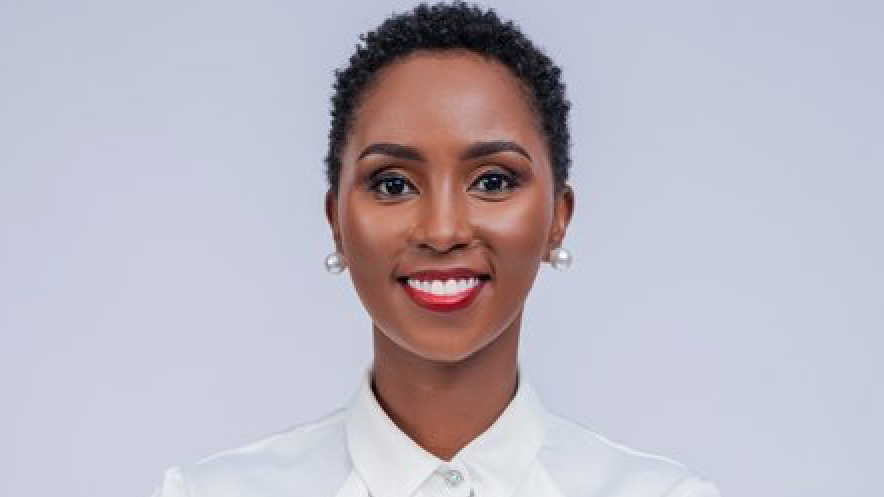
Written by Wangari Muikia – Africa Fiscal Policy Economist & Managing Director, Expertise Global